The 3 A.M. Light Is Not a Ghost—It’s Unsupported Firmware
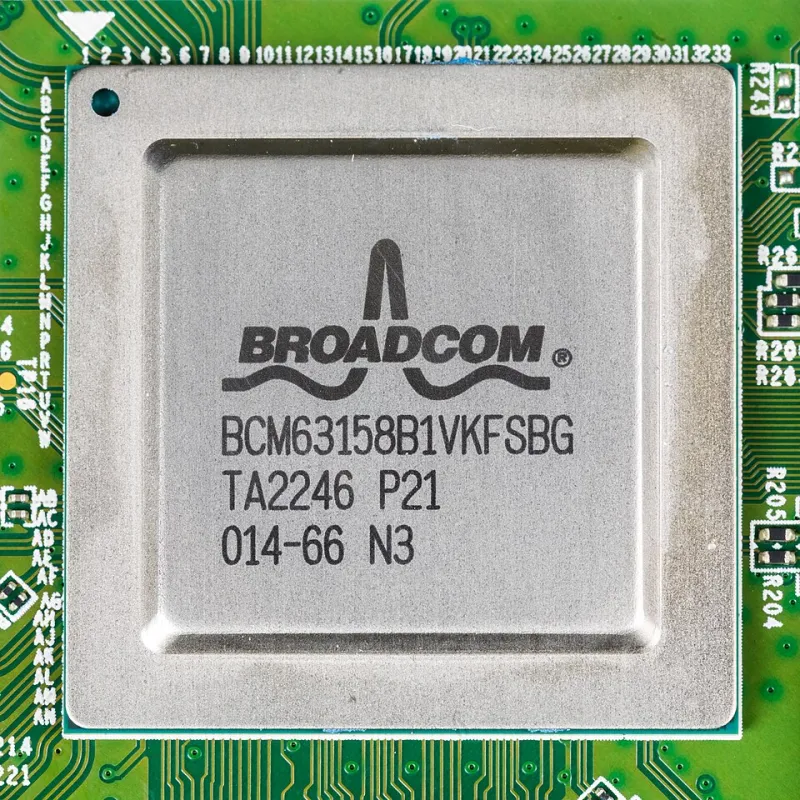
Photo: Raimond Spekking, CC BY-SA 4.0, via Wikimedia Commons
The call comes in like a ghost story. A homeowner in Ohio says her porch light turns on at 3 a.m. every night. Not most nights. Every night. She has changed the bulb, checked the timer, unplugged the hub, and yelled at the app. The light still comes on. She is convinced something is in the house. The technician who takes the job is convinced it is a firmware issue.
This is the new domestic haunting. Not a rattling chain in the attic, but a smart lock that no longer recognizes the phone that controls it. Not a cold spot in the hallway, but a Wi-Fi speaker that keeps answering to a voice assistant that was discontinued last year. The smart home was supposed to make life easier. Instead, it has created a graveyard of orphaned devices, each one still drawing power, still connected to the cloud, still waiting for an update that will never come.
The Ghost in the Hallway
The first wave of smart home devices arrived with a promise of convenience. You could turn off the lights from bed. You could check the front door from a hotel in another state. You could tell a cylinder on the counter to play NPR while you made coffee. It felt like the future, which is to say it felt like magic, which is to say nobody asked what would happen when the company behind the magic went bankrupt.
Now we know. In 2022, the smart home company Insteon shut down its servers without much warning, leaving thousands of hubs and switches stranded. Wink, the hub that once tied together dozens of incompatible devices, has been on life support for years. Nest Secure users were told their alarm systems would stop receiving software support. The pattern repeats: a company sells you a device, builds a cloud service around it, then walks away. The device stays in your house. The app stays on your phone. The ghost stays in the hallway.
The IoT Graveyard Is Inside Your Walls
A smart home is not one machine. It is a small ecosystem of sensors, hubs, bridges, and apps, many of which were designed by different companies that have never met and do not care about each other. When one part of the ecosystem dies, the rest does not necessarily stop. It just starts behaving strangely. A lock may still open with a key but refuse to report its status. A thermostat may still heat the house but ignore the app. A light may turn on at 3 a.m. because the cloud service that used to sync its schedule is gone, and the device has reverted to some default behavior that nobody remembers programming.
These devices are not haunted. They are abandoned. But the experience is close enough to a haunting that people reach for the language of the supernatural. They say the house is “acting up.” They say the device has “a mind of its own.” They say they feel “watched.” The language is imprecise, but the anxiety is real. A home is supposed to be the one place where you know what is going on. A smart home is a place where a dozen tiny computers are making decisions you cannot see, based on rules you did not write, using servers you cannot visit.
Exorcists With Multimeters
Into this gap steps a new kind of technician: part IT support, part electrician, part therapist. They work for themselves, for small smart home installation companies, or for the online communities that have grown up around home automation. They spend their days factory-resetting hubs, isolating devices on separate Wi-Fi networks, blocking cloud connections, and replacing abandoned apps with local control systems like Home Assistant. They call it debugging. Their clients call it an exorcism.
The best of these technicians are not just fixing devices. They are restoring a sense of ownership. They will tell you that the light turning on at 3 a.m. is not a ghost but a schedule that survived a firmware update. They will explain that the lock is not possessed but has been locked out of its own cloud account. They will show you how to run your smart home without relying on a company that might disappear next year. It is unglamorous work. It is also some of the most important privacy work happening in American homes right now.
The Real Ghost Is the Business Model
The haunting is not a technical glitch. It is a business model. The smart home industry sold convenience on a subscription skeleton. The device is cheap because the cloud service is the real product, and the cloud service only lasts as long as the company does. When the company dies, the device does not become a dumb device. It becomes a haunted device—still connected, still capable, still phoning home to a server that no longer answers.
This is why the digital exorcists matter. They are not just fixing lights. They are pushing back against a version of ownership that was never really ownership at all. They are saying: if you bought the device, you should be able to control it. If you want to turn off the cloud, you should be able to turn off the cloud. If the company goes away, the device should still work as a light, a lock, a speaker—not as a ghost.
The homeowner in Ohio eventually got her porch light fixed. The technician found that the bulb was still connected to a bridge that had been abandoned by its manufacturer. The bridge was broadcasting a schedule from a previous owner, a ghost in the firmware. He replaced the bridge, set up a local schedule, and blocked the device from the internet. The light has not turned on at 3 a.m. since. The house is quiet. The ghost is gone. For now.