Dead Apps Don't Stop Calling: Inside the Undying Notification Machine
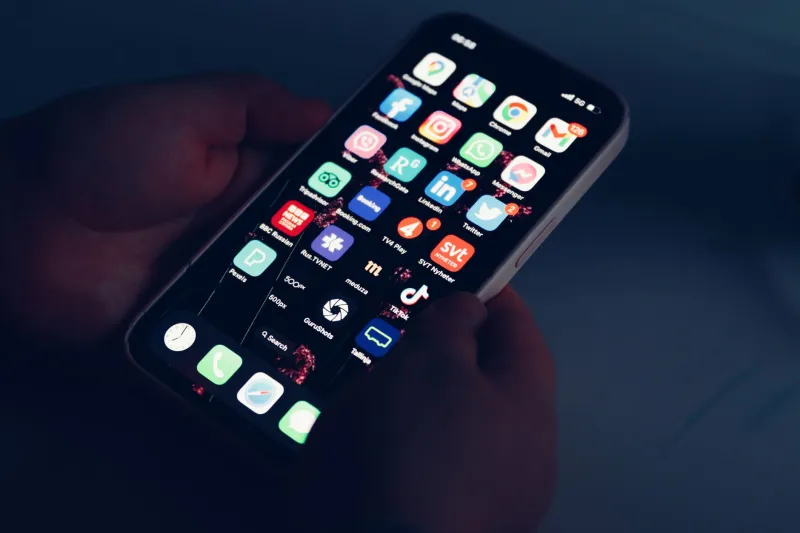
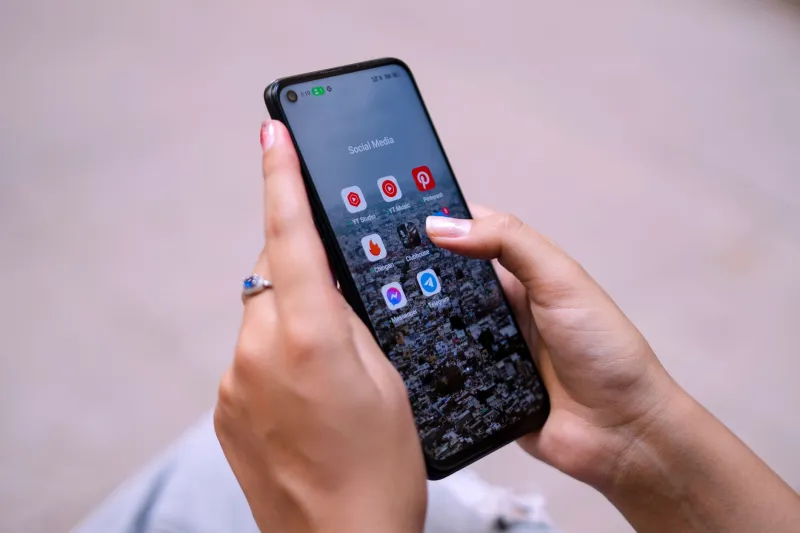
Somewhere on your phone right now—maybe buried three folders deep, maybe just hiding on a back screen you swipe past without looking—there's an app you haven't opened since 2021. Maybe it's a fitness tracker you used religiously for six weeks before January became February. Maybe it's a meditation app a friend swore would change your life. Maybe it's a shopping platform, a food delivery service, a dating app from a relationship that ended before the app did.
And every so often, it buzzes.
Not because anything meaningful has happened. Not because someone you know is trying to reach you. But because somewhere in a data center, an automated system has flagged your account as dormant and dispatched a notification designed by a team of behavioral engineers to feel just urgent enough to make you tap.
This is the notification graveyard. And you're already living in it.
The Notification Was Never for You
Let's be clear about something the UX industry would prefer you didn't think too hard about: push notifications from dormant apps are not a service. They are a retention mechanism. Every buzz, every badge, every "We miss you!" message in your lock screen is the product of a deliberate strategy built around one metric—daily active users.
DAU is the number that lives or dies in investor decks. It's the number that determines whether an app's growth story holds up. And the cheapest way to inflate it isn't to build a better product. It's to nudge the people who already downloaded it into opening it one more time.
You are not a valued user to a dormant-app notification campaign. You are a lapsed metric. And the push notification is the cheapest possible tool for converting you back into an active one, even if only for the thirty seconds it takes you to open the app, realize you have no idea why you did, and close it again.
Those thirty seconds still count.
The Engineering of Artificial Urgency
If you've ever wondered why re-engagement notifications feel so weirdly personal—why they seem to know exactly which emotional lever to pull—it's because significant money and expertise went into figuring that out.
Growth teams at major platforms run A/B tests on notification copy the same way they test ad creative. They've learned that time-pressure language ("Your streak is about to expire!") outperforms neutral language. They've learned that personalization tokens—your name, a reference to something you did in the app—dramatically increase open rates. They've learned that certain notification windows, particularly Sunday evenings and Thursday mornings, hit when users are most psychologically receptive to the idea of re-engaging with something they've been meaning to get back to.
The Duolingo owl that shows up to tell you your streak is dying isn't a charming mascot quirk. It's a retention tactic backed by conversion data. The fitness app that sends you a notification on January 2nd telling you your "goal window" is closing is running a playbook. The dating app that tells you "someone liked your profile" without letting you see who until you open it is exploiting curiosity gaps that have been documented in behavioral psychology since the 1990s.
None of this is accidental. All of it is designed.
The Apps That Outlive the Relationship
There's a specific category of zombie notification that hits differently: the ones tied to an experience that no longer exists.
The shared grocery list app you set up with a roommate who moved out. The photo album platform you used with an ex-partner. The event planning app from a job you left two years ago. These apps don't just buzz—they buzz with the ghost of a context that has dissolved. They're dispatches from a version of your life that is genuinely over, arriving in your present like postcards from a country that got annexed.
And yet the app doesn't know. The app cannot know. The notification system has no awareness of the human circumstances that made the original download meaningful. It only knows that your account is dormant and that dormant accounts are a problem to be solved through re-engagement.
The result is a form of digital haunting that nobody asked for and nobody built the infrastructure to address.
Why You Haven't Deleted Them
Here's the question that sits underneath all of this: if these notifications are annoying, unwanted, and functionally useless, why do most people still have dozens of dormant apps on their phones?
Partly it's friction. Deleting an app feels like a small decision that requires a moment of intentionality most of us don't feel like spending. Partly it's the sunk-cost logic of "I might use it again someday." Partly it's the low-level digital hoarding instinct that makes us reluctant to fully close any door, even one we haven't walked through in three years.
But there's also something more uncomfortable at play: the notifications work, at least some of the time. Not because we actually want to re-engage with the app, but because the buzz creates a moment of attention, and attention creates the illusion of relevance. The app is in your awareness again. That was the goal. Mission accomplished.
The Dark Pattern at the Bottom of the Stack
The hardest part of opting out of the notification graveyard isn't technical—it's the fact that many apps make the opt-out process genuinely difficult to navigate. Notification settings buried three layers deep inside menus. Unsubscribe flows that require you to log in to a service you've already mentally abandoned. Re-engagement emails that include an unsubscribe link that routes you to a page asking you to confirm, then asking you why, then asking you to consider a "reduced notifications" option instead.
This is dark UX. It's the design philosophy that treats user attention as a resource to be extracted rather than a trust to be honored. And it's everywhere.
Your phone buzzes. You glance at it. An app you haven't thought about in eighteen months tells you that you have "unfinished activity" waiting for you. You dismiss it. It will buzz again in two weeks.
The dead don't rest in the notification graveyard. They just keep reaching out, on a schedule, forever, hoping one day you'll pick up.