After Midnight, the Internet Gets Honest
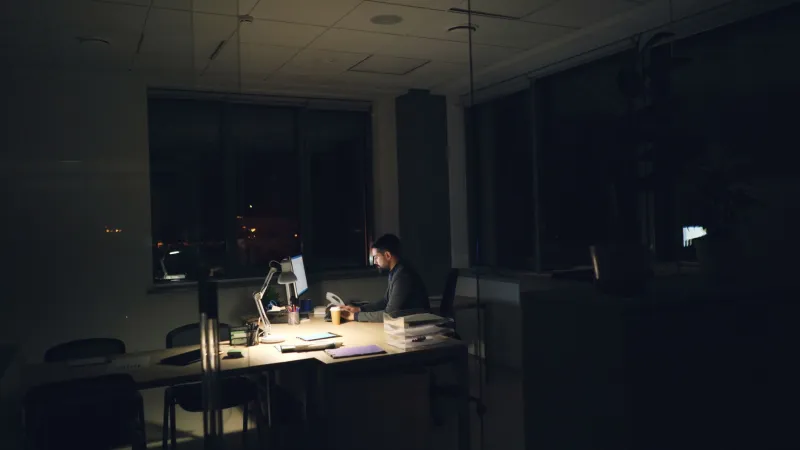
Somewhere around 2:47 AM on a Tuesday, a guy named Derek is streaming himself eating a family-sized bag of Doritos and cataloging every single Resident Evil game in order of emotional damage. He has eleven viewers. Three of them have been there for four hours. Nobody is talking about leaving.
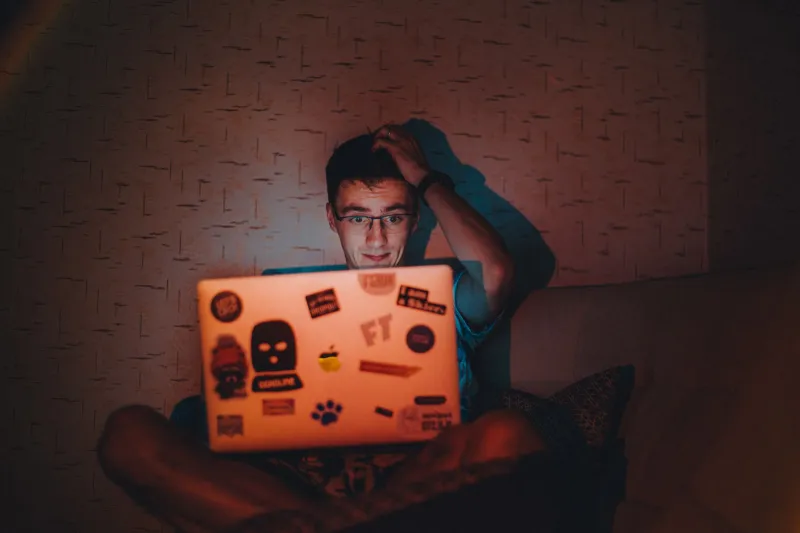
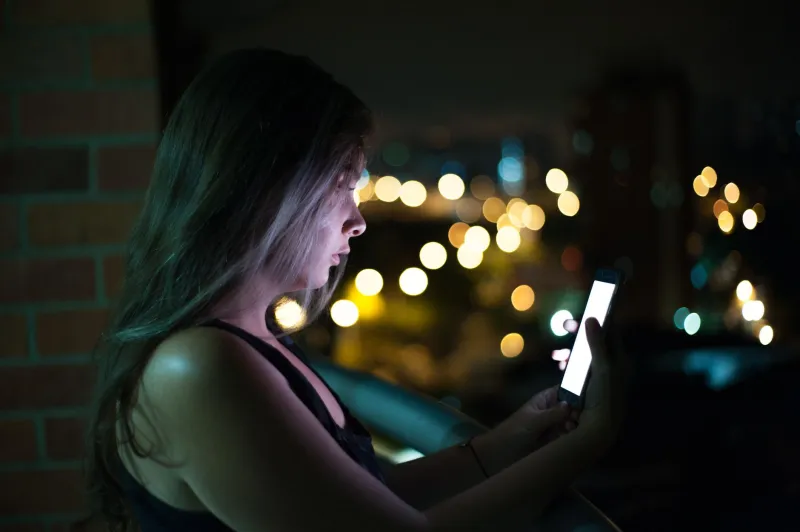
This is the internet most people never see — not because it's hidden, exactly, but because you have to be awake for it. And most people aren't. Most people are asleep, their phones charging on their nightstands, their feeds frozen in time until the alarm goes off. But for a not-insignificant slice of America, the hours between midnight and sunrise are prime time. And the culture that's grown up in that window is unlike anything happening in the daylight.
It has its own rules. Its own residents. Its own rituals. And if you spend enough time there, it starts to feel less like a corner of the internet and more like a separate country.
The Permanent Residents
Who's actually online at 3 AM? The answer is more complicated — and more human — than you might expect.
There are the obvious categories: insomniacs, night-shift nurses and warehouse workers scrolling Reddit on their breaks, college students on the wrong side of a deadline. But spend any real time in late-night spaces and you start to notice the people who aren't there by accident or circumstance. They're there because the nighttime internet is the only version of the internet that fits them.
Forums like r/lonely, r/depression, and dozens of smaller, more specific communities see their most active threads after midnight Eastern. The posts get longer. The confessions get more specific. Someone will write four paragraphs about a friendship that ended six years ago and they still don't understand why. Under normal algorithmic conditions — peak hours, high traffic, the relentless optimization for engagement — that post might get buried. At 2 AM, it gets forty replies, each one more vulnerable than the last.
There's a reason for this, and it's not just reduced inhibition. The daytime internet is performative almost by design. Everything you post between 9 AM and 9 PM is, on some level, for an audience. The late-night internet has a different relationship with visibility. When you post at 3 AM, you're not exactly expecting to go viral. The stakes feel lower, which means the honesty can go higher.
The Livestream Nobody Watches (And Why That's the Point)
Derek and his eleven viewers represent a whole ecosystem of small-hours streaming that rarely gets written about because, almost by definition, nobody with a platform is awake to cover it.
Twitch and YouTube are both littered with streamers who have built micro-communities that exist almost entirely in the dark. These aren't failed streamers waiting to break through. Many of them have explicitly chosen the overnight slot because of what it filters out. The clout-chasers, the trolls angling for clip fame, the parasocial stans who treat streamers like vending machines — a lot of that energy dissipates after midnight. What's left tends to be people who actually want to be there.
The chat in these streams operates differently too. Conversations stretch across hours. Inside jokes accumulate over weeks and months. Regulars will check in on each other's lives — jobs, relationships, health stuff — in ways that feel less like internet interaction and more like a diner booth at the end of a long shift. The streamer becomes almost incidental, a campfire that people gather around so they have a reason to be in the same place.
Is it parasocial? Sure, technically. But so is most of what passes for community online. At least this version admits what it is.
The Confessional Hours
There's a specific genre of post that only really exists after midnight. Call it the 3 AM confession — unedited, unprompted, and almost never followed up on by the person who wrote it.
You see them everywhere if you're looking. Someone on an old-school forum dropping a post about how they haven't spoken to their brother in eight years and just found out he had a kid. A Twitter thread that starts with "okay I don't know why I'm saying this" and then goes somewhere genuinely raw. A Discord message in a server about a video game that suddenly pivots into someone talking about their divorce.
These posts have a specific texture. They're not fishing for sympathy in the way daytime posts sometimes are. They feel more like talking to yourself in the car, except the car is a server with 340 members and three people happen to be awake.
Psychologists would probably point to disinhibition — the reduced social monitoring that comes with exhaustion and darkness. But there's something more structural happening too. The late-night internet self-selects for people who are already sitting with something. You don't open Reddit at 3 AM because you're having a great night. You open it because you need somewhere to put a feeling and you've run out of other options.
What the Algorithm Doesn't Know About This Place
Here's the thing that makes late-night internet culture genuinely distinct from its daytime counterpart: the engagement machines mostly ignore it.
The major platforms optimize for peak-hour behavior. Their recommendation systems are trained on the content and interactions that generate the most traffic, which means they're essentially trained on daylight. The weird, slow, emotionally honest stuff that happens at 2 AM doesn't feed the beast the same way. It doesn't produce the spikes that the algorithm notices.
In a perverse way, this is what makes it livable. The spaces that exist in that window haven't been fully colonized yet by the attention economy's worst incentives. Nobody's going viral at 3 AM. Nobody's building a brand. The optimization pressure that warps so much of online behavior is running at maybe 20 percent capacity.
That doesn't make it perfect. Late-night internet has its own pathologies — the rabbit holes that only open up when your defenses are down, the doomscrolling that can eat four hours without you noticing, the way isolation can curdle into something darker when you're already tired and alone. The same lowered inhibition that makes people more honest also makes them more susceptible.
But there's something that survives in those hours that the daytime web seems to have given up on. Slowness. Aimlessness. The willingness to just be somewhere without performing anything.
The People the Daylight Leaves Behind
If you want to understand what the late-night internet actually is, stop thinking about it as a time slot and start thinking about it as a population.
These are people who, for whatever reason — work schedules, mental health, geography, circumstance — don't fit neatly into the rhythms that the rest of the country runs on. Night-shift workers who clock out at 6 AM and have nowhere to decompress. People with anxiety or depression whose brains refuse to shut down on schedule. Caregivers who finally get a few hours to themselves after everyone else is asleep. Rural Americans in time zones that the coasts forget exist.
The daylight internet wasn't built for any of them. It was built for the median user at the median hour, and everything else is an afterthought. The late-night internet is what those people built for themselves in the margins.
Derek is still streaming. It's almost 4 AM now. Two of his eleven viewers have dropped off, but one new person just joined and immediately typed "lol what is happening" in the chat. One of the regulars typed back: "you're home now."
It's a joke. It's also not entirely a joke.
This is what the internet looks like when it stops trying to impress anyone. Messy, honest, a little lonely, and — if you're the kind of person who needs it — exactly where you're supposed to be.