When the Love Ends, the Locks Don’t: The Smart Home Divorce Is Here
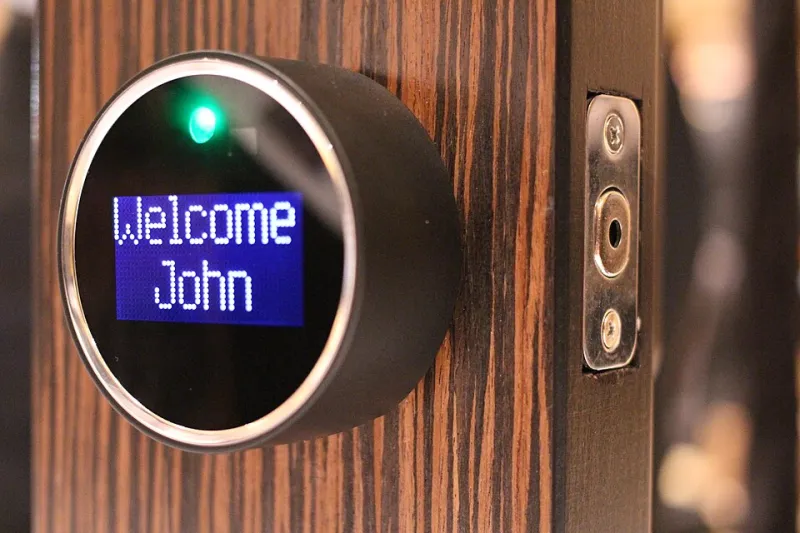
Photo: Maurizio Pesce from Milan, Italia, CC BY 2.0, via Wikimedia Commons
The breakup was civil until the doorbell camera started talking. Not to him—to her. The app still had her login. The camera still had his face saved as an authorized visitor. The smart lock still recognized his thumb. The thermostat still knew he liked the bedroom at 66 degrees, which is the kind of detail that feels romantic until you realize it is also a data point in a custody dispute over a house neither of them can afford.
Welcome to the smart home breakup, where the relationship ends but the permissions do not.
The Digital Squatters in Your Home
A modern home is a stack of accounts wearing furniture. The front door lock is an app. The doorbell is a cloud service. The thermostat is a subscription. The robot vacuum is a mapping device with a personality. The TV is a storefront. The speaker is a microphone with a wake word. When two people share a home, they share admin access to all of it. When they split, nobody sends a change-of-address form to the API.
So the devices become squatters. His account is still the owner of the lock, which means she cannot remove his access without calling customer support and proving she lives there. Her profile is still on the streaming account, which means his new partner gets recommended her comfort watches. The shared calendar still sends both of them a reminder for a dentist appointment that was booked during a better year.
The New Cottage Industry of Digital Lock Changes
Locksmiths used to be the people you called after a breakup. Now there is a smaller, weirder industry of smart-home consultants, digital organizers, and divorce attorneys who bill by the hour to untangle the internet of things. Some locksmiths advertise digital rekeying: they factory-reset the lock, transfer ownership to the person staying, and help set up new codes. Fees run from $150 to $500 depending on how many devices are involved and whether the ex is cooperating.
There are also privacy consultants who specialize in what they call device separation—a polite term for revoking someone’s digital keys to your life. They audit shared accounts, change passwords, remove authorized users from cameras, disconnect old phones from Wi-Fi, and check whether any location-sharing settings are still live. It is part IT support, part safety planning. And it is becoming a standard line item in some divorces, especially when there are children, shared property, or a history of control.
The Threat Model You Sleep Inside
For most people, the smart home breakup is annoying. For some, it is dangerous. Abusers have used connected locks, cameras, thermostats, and speakers to monitor, intimidate, and control partners. A doorbell camera can become a surveillance tool. A smart lock can be locked remotely. A thermostat can be turned down in the middle of the night. A shared location app can track a move to a shelter.
That is why the device separation conversation needs to happen before the breakup, if possible, and with a professional if there is any risk of retaliation. It is not enough to change the Wi-Fi password. You need to remove the ex from every account that can see, hear, unlock, or control your home. You need to check the devices you forgot were smart—the scale, the baby monitor, the car app, the pet feeder.
The Breakup Checklist Nobody Gives You
Start with a list. Every account that touches the home: locks, cameras, thermostat, lights, appliances, streaming, utilities, security system, Wi-Fi, shared calendars, cloud storage, location sharing. Then change the primary email and password on each one. Enable two-factor authentication. Remove the ex as an authorized user, not just as a profile. Factory-reset devices that store biometric data. If the lock is in the ex’s name, call the manufacturer and ask what proof they need to transfer ownership. If the lease or mortgage is shared, loop in the landlord or attorney.
Then do the emotional part: change the Wi-Fi network name. It sounds petty. It is actually a boundary. The house should not greet you with a name that reminds you of someone who left.
Love Is a Shared Admin Account
The modern breakup is not just splitting the records and the furniture. It is revoking permissions. It is deciding who gets the house, who gets the dog, and who gets the ability to unlock the front door at 2 a.m. from a phone in another state.
The law is still catching up. Most states do not have specific rules for smart-home access after separation. Courts can issue orders, but they are written for people, not for devices. That leaves the actual work to locksmiths, lawyers, and the person standing in the hallway wondering why the thermostat just turned itself up.
Digital hell is a house that still recognizes your ex’s thumb. Change the locks. Change the passwords. Change the Wi-Fi. And then, finally, change the name.