Your Favorite App Didn't Die — It Was Slowly Bled Out

Your Favorite App Didn't Die — It Was Slowly Bled Out
Remember when Twitter was actually fun? When Reddit felt like a weird, chaotic town square where you could find genuine human beings talking about stuff they actually cared about? When Amazon's search results weren't a sponsored-ad graveyard where you have to scroll three screens deep just to find a real product?
Yeah. That wasn't an accident. That was a business strategy.
In 2023, writer and digital rights activist Cory Doctorow gave a name to the slow-motion corporate horror show we'd all been living through. He called it enshittification — the predictable, almost mechanical process by which digital platforms degrade from genuinely useful tools into extraction machines designed to squeeze every last dollar out of users before the whole thing collapses. The term went viral almost immediately, because it named something millions of people had felt in their bones but couldn't quite articulate. It spread across tech forums, mainstream media, and congressional testimony. It hit different because it was true.
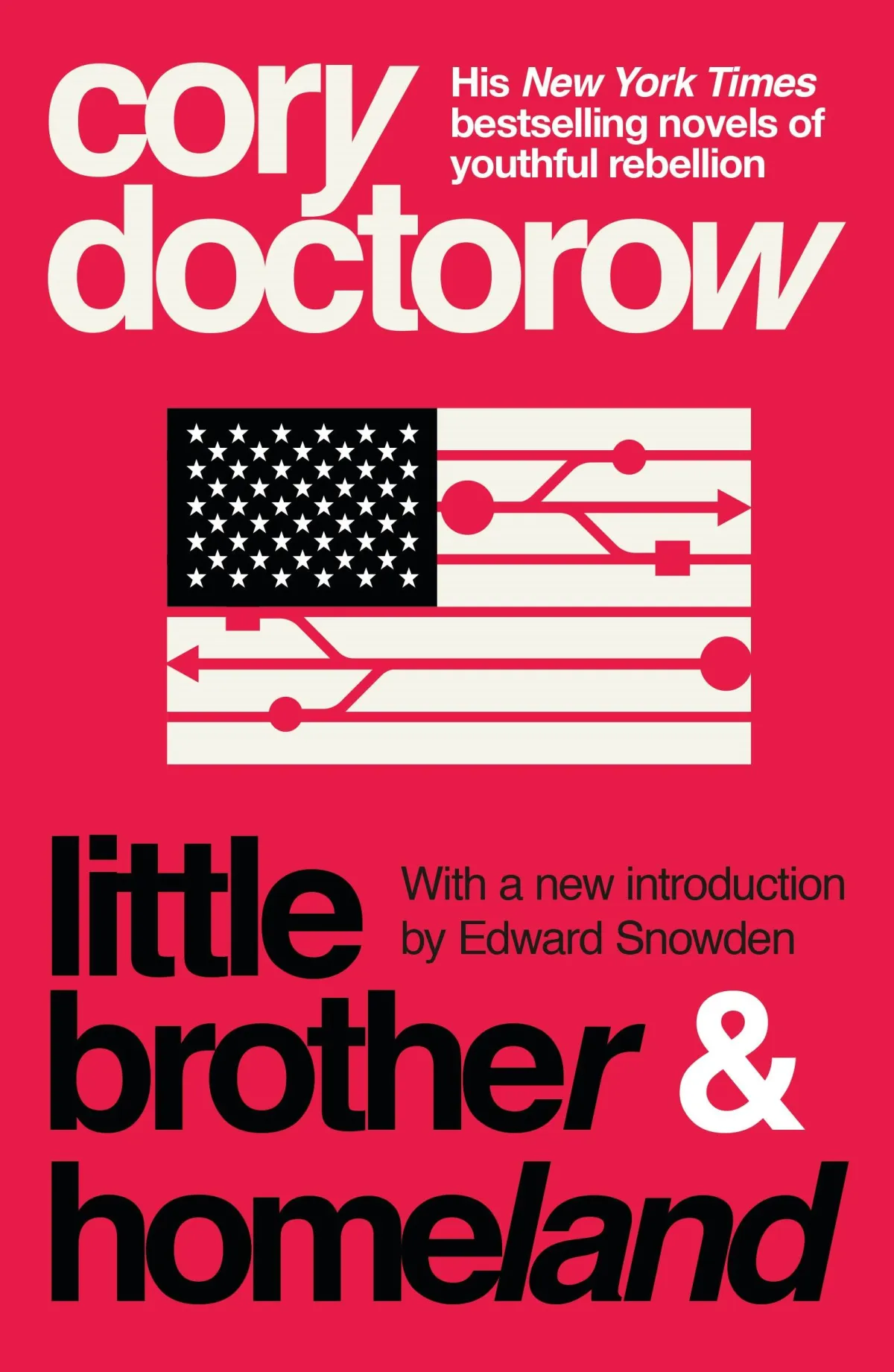 Photo: Cory Doctorow, via mpd-biblio-covers.imgix.net
So let's walk through exactly how this works — and why it keeps happening over and over again.
The Three-Stage Lifecycle of a Dying Platform
Doctorow's framework is almost elegant in its brutality. Stage one: the platform is good. It genuinely serves users. It's fast, clean, useful, maybe even joyful. This is the honeymoon phase, when the company needs your attention and your data more than it needs your money. Growth is the only metric that matters, so they give you everything for free.
Stage two: the platform pivots to serving businesses — advertisers, sellers, third-party developers — at the expense of users. The algorithm starts quietly throttling organic content. Ads multiply. Your feed fills with things you didn't ask for. The platform is essentially renting your eyeballs to the highest bidder, and you're the product being sold.
Stage three: the platform starts squeezing the businesses too. Now everyone's getting extracted. Sellers on Amazon pay more for placement. Developers on Apple's App Store face higher fees and arbitrary rule changes. The whole ecosystem becomes a toll road with no exits, and the company is the only one collecting.
Then the whole thing starts to rot from the inside, and users finally — finally — start leaving. But by then, the executives have already cashed out.
Reddit's API Apocalypse Was the Mask Coming Off
For a long time, Reddit managed to hide the transition between stages one and two. The site had a scrappy, user-first reputation that survived years of quiet monetization. Then in 2023, the company announced it was charging third-party developers exorbitant fees to access its API — fees so high they would effectively kill every major third-party Reddit app, including Apollo, which had hundreds of thousands of paying users who preferred it to Reddit's own bloated, ad-stuffed client.
The backlash was massive. Thousands of subreddits went dark in protest. Moderators — the unpaid volunteers who had built Reddit's communities for free, for years — revolted. Reddit CEO Steve Huffman responded by comparing the mod revolt to a landlord-tenant dispute and suggested mods who disagreed should be replaced. Charming.
 Photo: Steve Huffman, via i.pinimg.com
The API changes went through anyway. Apollo shut down. Several other beloved apps followed. Reddit's IPO proceeded in early 2024, and suddenly the whole thing made sense. The user community was never the point. The point was always the valuation.
Twitter Didn't Fall Apart — It Was Dismantled Deliberately
Elon Musk's acquisition of Twitter in late 2022 is the most spectacular and public example of enshittification in recent memory, partly because it happened so fast. Musk paid $44 billion for a platform that had real cultural value — not because of its revenue, but because of its network. Journalists, politicians, activists, and everyday weirdos had built something genuinely irreplaceable there over fifteen years.
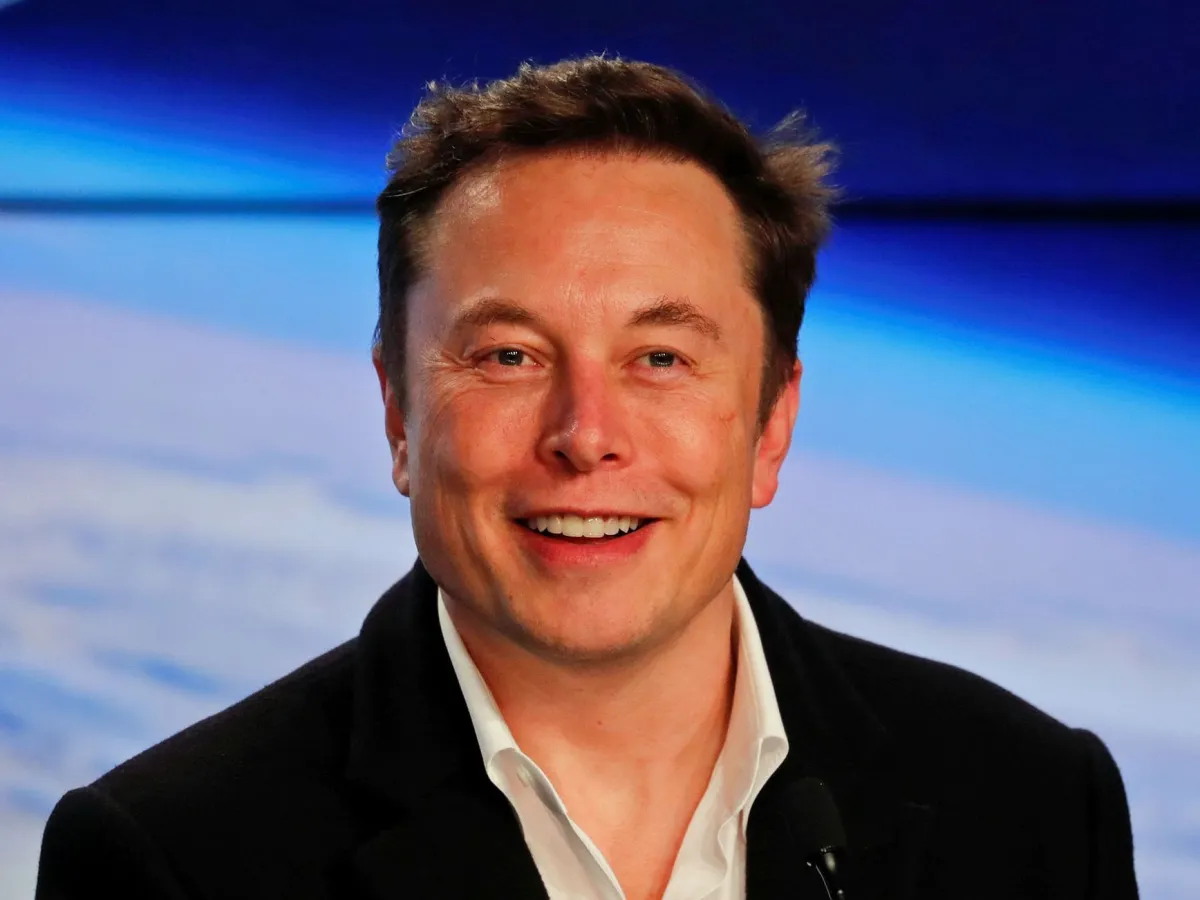 Photo: Elon Musk, via www.businessinsider.de
Within months, verified trust signals were sold off as a subscription perk, opening the door to impersonation chaos. Algorithmic changes buried chronological feeds. Third-party API access was gutted. The moderation infrastructure was hollowed out. Advertisers fled. The platform was rebranded to 'X' in a move that felt less like a pivot and more like a hostage situation.
What's fascinating — and deeply depressing — is that Musk didn't accidentally break Twitter. He chose to break it in ways that made it more useful to him personally (as a megaphone and political tool) while making it measurably worse for almost everyone else. That's enshittification with the pretense stripped away. No slow boil. Just a guy with a blowtorch.
Amazon's Search Bar Is a Pay-to-Win Game
Amazon is maybe the purest long-game example of the phenomenon. The early Amazon experience genuinely was remarkable — fast shipping, competitive prices, reliable reviews. It felt like the internet working for you.
Now? A 2023 study by researchers at Northwestern found that Amazon's search results are so dominated by sponsored listings and Amazon's own private-label products that they've become functionally misleading. You search for 'cast iron skillet' and the first page is a maze of ads, promoted listings, and Amazon Basics knockoffs. The organic, genuinely-best-rated product is buried. The FTC's antitrust lawsuit against Amazon, filed in 2023, cited exactly this kind of manipulation — the company was essentially charging sellers to not be buried in search, which is just a protection racket with better UX.
Reviews, meanwhile, have been corrupted so thoroughly by fake feedback farms and incentivized purchases that the star rating system — once a genuine consumer tool — is now largely performance theater.
Why Does This Keep Happening?
Because the incentive structure of venture-backed tech companies almost demands it. You raise money on the promise of exponential growth. You grow by giving things away. You eventually have to monetize to justify your valuation. Monetization degrades the product. Users get frustrated but stay because of network effects and switching costs. You extract value until the network effect breaks. Then you move on.
The people making these decisions aren't monsters (well, some of them are). They're just optimizing for the metrics that keep them employed and wealthy. The platform's health — the actual human experience of using it — is an externality. Your frustration doesn't show up on a quarterly earnings call.
Is There Any Platform That Isn't Already on a Timer?
Here's the uncomfortable question Doctorow's framework forces us to sit with: is there any digital platform being built right now that isn't already carrying the seeds of its own enshittification?
TikTok is in its honeymoon phase — still rewarding creators, still surfacing genuinely interesting content. But ByteDance has investors. Bluesky is scrappy and user-first right now, but it's also growing, and growth always attracts the kind of people who think about monetization roadmaps. Even the platforms that want to do things differently — Mastodon, Signal, Wikipedia — face resource constraints, governance challenges, and the constant gravitational pull of the money that's always waiting just offstage.
Maybe the honest answer is yes. Every platform is on a timer. The only variable is how long the clock runs before the whole thing goes to hell.
Which, honestly? Feels pretty on-brand for where we are.
Welcome to Digital Hell. The apps here used to be nicer.